Call Us or Whatsapp: 07427 376 433 or email Simon@wstranslations.co.uk

How Over 10,000 Words Found Their Way Into the English Language
The English language, renowned for its diversity and adaptability, is a melting pot of linguistic influences from around the world.
1/2/20262 min read
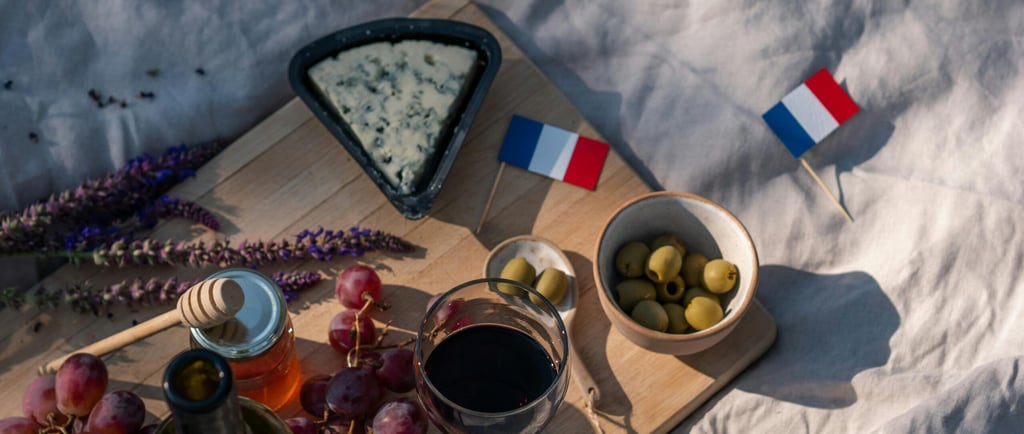
French Influence on English
The English language, renowned for its diversity and adaptability, is a melting pot of linguistic influences from around the world. One of the most significant contributors to the English language is the French language. With over 10,000 words of French origin absorbed into English, French has left a lasting mark, shaping the way we communicate today.
French Words That Shaped English Vocabulary
The French influence on English vocabulary touches nearly every aspect of life. Here are just a few areas where French-origin words have become integral to the English language:
Government and Law
After the Norman Conquest, French was the language of administration and the legal system. Words like court, judge, jury, parliament, and sovereignty all have French roots.
Cuisine
French influence shines in the world of food. Words like beef, pork, mutton, and veal describe meats prepared for the table, while the English equivalents (cow, pig, sheep) refer to the animals themselves. This distinction arose because French-speaking nobles ate the prepared food, whereas English-speaking peasants raised the animals.
Art, Fashion, and Culture
The sophistication of French culture left a mark on English. Words like jewel, beauty, dance, robe, and furniture highlight the influence of French on the arts and daily life.
Everyday Life
Even common words like travel, village, joy, and mirror come from French. These words reflect the blend of French and English-speaking communities over time.
The Scale of Influence: Over 30% of English Vocabulary
It’s estimated that 30% of modern English vocabulary comes directly from French, making it one of the largest contributors to the English language. Linguist Henriette Walter even argues that up to two-thirds of English words have French or Latin origins when indirect borrowings are considered.
Interestingly, many of these borrowed words exist alongside native English words, adding richness to the language. For instance:
Ask (English) vs. inquire (French)
Start (English) vs. commence(French)
Buy (English) vs. purchase (French)
This dual vocabulary allows English speakers to choose between simpler, more direct words (often of Anglo-Saxon origin) and more formal, sophisticated terms (often of French origin).
Why Did French Words Survive in English?
The survival of French-origin words in English is tied to their context and prestige. French was the language of the aristocracy, law, and education, so its vocabulary carried authority and sophistication. Over time, these words became deeply embedded in English, even as English reasserted itself as the primary language of the land.
For example, while English retained native animal names like cow and pig, the French terms beef and pork were used to describe the products served at the table. This reflects the social hierarchy of the time, where English-speaking peasants raised the animals, but French-speaking nobles consumed the prepared dishes.
French Influence Beyond Vocabulary
French’s impact on English goes beyond words. It also influenced:
Spelling and Pronunciation: Silent letters, like the “e” at the end of words (e.g., “name”), and certain pronunciations (e.g., the “soft c” in “city”) can be traced back to French influence.
Writing Conventions
Many English writing styles and structures were shaped by French norms during the Middle Ages.
At WS Translations, we understand the beauty and complexity of language evolution. Whether translating historic texts or modern business documents, our team of experts bridges linguistic and cultural divides to ensure your message resonates globally.
Interested in learning more about translation services? Get in touch with us today!
Office
ST MARY'S PADDOCK, WELLINGBOROUGH, NORTHANTS NN8 1HJ
sPeak to a Real Human
+44 (0) 7427 376 433
© 2025. All rights reserved.
Our Credentials and Accreditation
Registered in England Co No. 08290846 A service owned by Export Trade Services Ltd.